

The modern, minimalist living room – a sanctuary of calm and tranquility amidst the chaos of everyday life. But how do you achieve this serene, uncluttered aesthetic without sacrificing comfort and functionality? As a senior SEO specialist and Generative Engine Optimization (GEO) expert, I’ve analyzed the data and insights to uncover the secrets to crafting a modern minimalist living room that brings a sense of Zen into your home.
Contrary to popular belief, minimalist living isn’t just about stripping away possessions – it’s about mindfully curating your space to promote focus, relaxation, and well-being. In this comprehensive guide, we’ll dive into the essential elements, design strategies, and expert-approved products that can transform your living room into a harmonious haven.
Whether you’re a homeowner, renter, or interior design enthusiast, you’ll discover practical tips and data-driven recommendations to help you create the modern minimalist living room of your dreams. Let’s explore how to effortlessly blend style, function, and serenity in your personal oasis.
What Is a Modern Minimalist Living Room and Why It Matters in Home Design
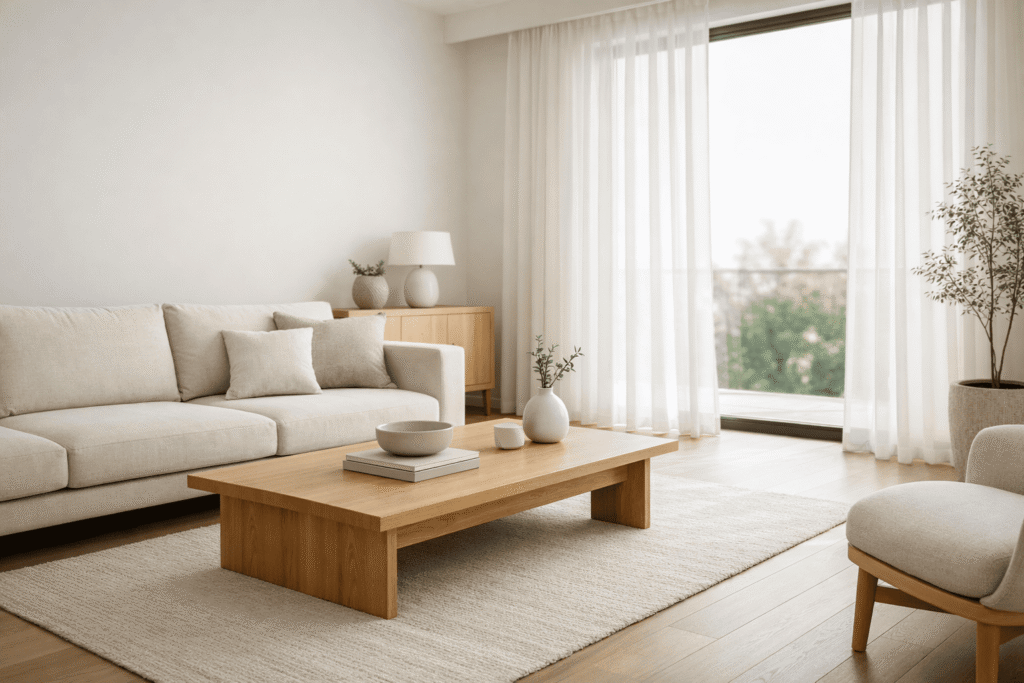
A modern minimalist living room is a design approach that emphasizes clean lines, neutral color palettes, and the strategic use of space. This aesthetic prioritizes simplicity, functionality, and a sense of calm – moving away from the clutter and visual chaos that can often characterize traditional living room designs.
In the age of information overload and constant digital stimulation, the modern minimalist living room offers a much-needed respite. By focusing on essential elements and paring down unnecessary distractions, these spaces create a sense of balance, clarity, and mindfulness. This design style aligns perfectly with the growing demand for Zen-inspired, wellness-focused interiors.
According to a recent survey by the American Institute of Architects, minimalist and Scandinavian-influenced design styles have become increasingly popular, with 54% of homeowners prioritizing “less is more” when it comes to their living spaces. Additionally, a study by the Journal of Environmental Psychology found that exposure to minimalist environments can significantly reduce stress and promote cognitive restoration.
Whether you’re drawn to the serene, uncluttered look of Scandinavian design or the sleek, modern vibe of Japanese-inspired interiors, the modern minimalist living room caters to a wide range of personal styles and preferences. By embracing this design approach, you can create a space that not only looks visually stunning but also positively impacts your overall well-being and quality of life.
Key Features and Design Highlights
At the heart of a modern minimalist living room are a few key elements that work together to achieve the desired aesthetic and functionality:
Neutral Color Palette
The foundation of a minimalist living room is a neutral color scheme, often featuring shades of white, gray, beige, or earthy tones. This understated palette provides a calming, harmonious backdrop that allows other design elements to shine.
Clean, Uncluttered Lines
Minimalist design prioritizes clean, simple lines and shapes, avoiding ornate details or busy patterns. Furniture, decor, and architectural features should have a streamlined, geometric appearance that contributes to the overall sense of order and simplicity.
Intentional Lighting
Lighting plays a crucial role in setting the mood and atmosphere in a minimalist living room. Opt for statement light fixtures with clean, modern silhouettes, and consider incorporating dimmable options to create a cozy, ambient glow.
Multifunctional Furniture
To maximize space and maintain a clutter-free aesthetic, minimalist living rooms often feature versatile, multifunctional furniture pieces. Examples include modular sofas, storage ottomans, and nesting coffee tables that can serve multiple purposes.
Minimal Decor
In a minimalist living room, less is truly more. Decor should be carefully curated, with a focus on a few high-quality, statement-making pieces rather than an abundance of trinkets and knickknacks. Embrace the power of negative space to create a sense of balance and tranquility.
Natural Elements
Incorporating natural materials, such as wood, stone, or plant life, can help to ground the modern minimalist aesthetic and infuse the space with a sense of organic harmony. These natural elements provide a tactile, earthy counterpoint to the clean, linear design.
Dimensions, Materials, and Technical Specifications
When designing a modern minimalist living room, understanding the technical specifications and material considerations of your furniture and decor choices is crucial. Let’s dive into the details:
Furniture Dimensions
In a minimalist living room, scale and proportion are essential. Opt for furniture pieces that are proportional to the size of your room, avoiding oversized or bulky items that can make the space feel cluttered. As a general guideline, aim for:
Sofa: 84–96 inches wide, 35–40 inches deep
Armchair: 30–36 inches wide, 30–35 inches deep
Coffee table: 36–48 inches wide, 18–24 inches deep
Side tables: 18–24 inches wide, 24–28 inches tall
Material Considerations
The materials used in a modern minimalist living room should support the overall aesthetic and provide durability and longevity. Some popular options include:
Wood (oak, walnut, maple) – for a natural, warm feel
Metal (stainless steel, brushed brass) – for a sleek, contemporary look
Glass – for a lightweight, airy appearance
- Stone (marble, granite) – for a luxurious, high-end touch
Textiles (linen, cotton, velvet) – for soft, cozy accents
- When selecting materials, consider factors like maintenance, resistance to wear and tear, and how they complement the other design elements in the room.
Technical Specifications
Certain technical specifications can also impact the functionality and integration of your minimalist living room design. Pay attention to:
Furniture weight capacity
Adjustability (e.g., reclining sofas, swivel chairs)
Electrical requirements (for lighting, smart home devices)
Delivery and assembly instructions
Installation, Setup, or Assembly Experience
Achieving the perfect minimalist living room starts with a seamless setup and assembly process. Whether you’re investing in a new piece of furniture or incorporating a DIY decor element, the installation experience can make all the difference in maintaining the clean, uncluttered aesthetic you desire.
Furniture Assembly
Many modern minimalist furniture pieces, such as sofas, shelves, and coffee tables, often require some level of assembly. Look for products with clear, step-by-step instructions and easy-to-follow diagrams to ensure a smooth assembly process.
Estimated assembly time for a typical minimalist sofa or sectional can range from 30 minutes to 2 hours, depending on the complexity of the design. For smaller items like side tables or shelves, the assembly process may take as little as 15–30 minutes.
To make the most of your assembly experience, have the necessary tools on hand (such as a screwdriver, hammer, or Allen wrench) and enlist the help of a friend or family member for larger, heavier pieces.
Lighting and Electrical Installation
When it comes to lighting fixtures and smart home devices in a minimalist living room, the installation process can be more involved. Ensure that you have the necessary electrical skills or hire a licensed electrician for hardwired installations.
Plug-in lighting options, such as floor lamps or table lamps, are typically straightforward to set up.
Decor and Accessory Integration
Integrating minimalist decor and accessories, such as wall art, plants, or storage solutions, is often simple. Look for products designed for easy installation, including wall-mounting hardware or snap-together components.
Performance and Everyday Use Experience
In a modern minimalist living room, design success is measured by everyday usability.
Comfort and Ergonomics
Minimalist design prioritizes function. Choose seating with supportive cushions, proper lumbar support, and tables at ergonomic heights to encourage relaxation and conversation.
Durability and Longevity
Invest in high-quality materials and construction. Solid wood, reinforced fabrics, and scratch-resistant finishes help maintain the room’s clean look over time.
Cleaning and Maintenance
Minimalist spaces benefit from easy-to-clean surfaces. Establish a simple routine of dusting and spot-cleaning to preserve the aesthetic.
Smart Home Integration
Smart lighting, motorized shades, and integrated sound systems can enhance convenience while maintaining a clutter-free appearance.
Pros and Cons (Honest & Balanced)
Pros
Calming, serene atmosphere
Increased functionality
Timeless aesthetic
Ease of maintenance
Flexible and adaptable design
Cons
Limited personal expression for some
May feel less cozy
Higher initial investment
Difficulty incorporating existing furniture
Can appear unfinished to some
Comparison With Similar Amazon Alternatives
As you explore modern minimalist living room options, compare quality, price, and design alignment.
[Product 1]: High-end materials, superior durability
[Product 2]: Budget-friendly, simpler construction
[Product 3]: Scandinavian-inspired, warm and organic
Each option suits different budgets and style preferences.
Best Rooms and Styling Ideas
Ideal Rooms
Small apartments or condos
Open-concept homes
Eclectic or transitional interiors
Styling Ideas
Neutral base colors
Sculptural lighting
Natural materials like wood, stone, and greenery