
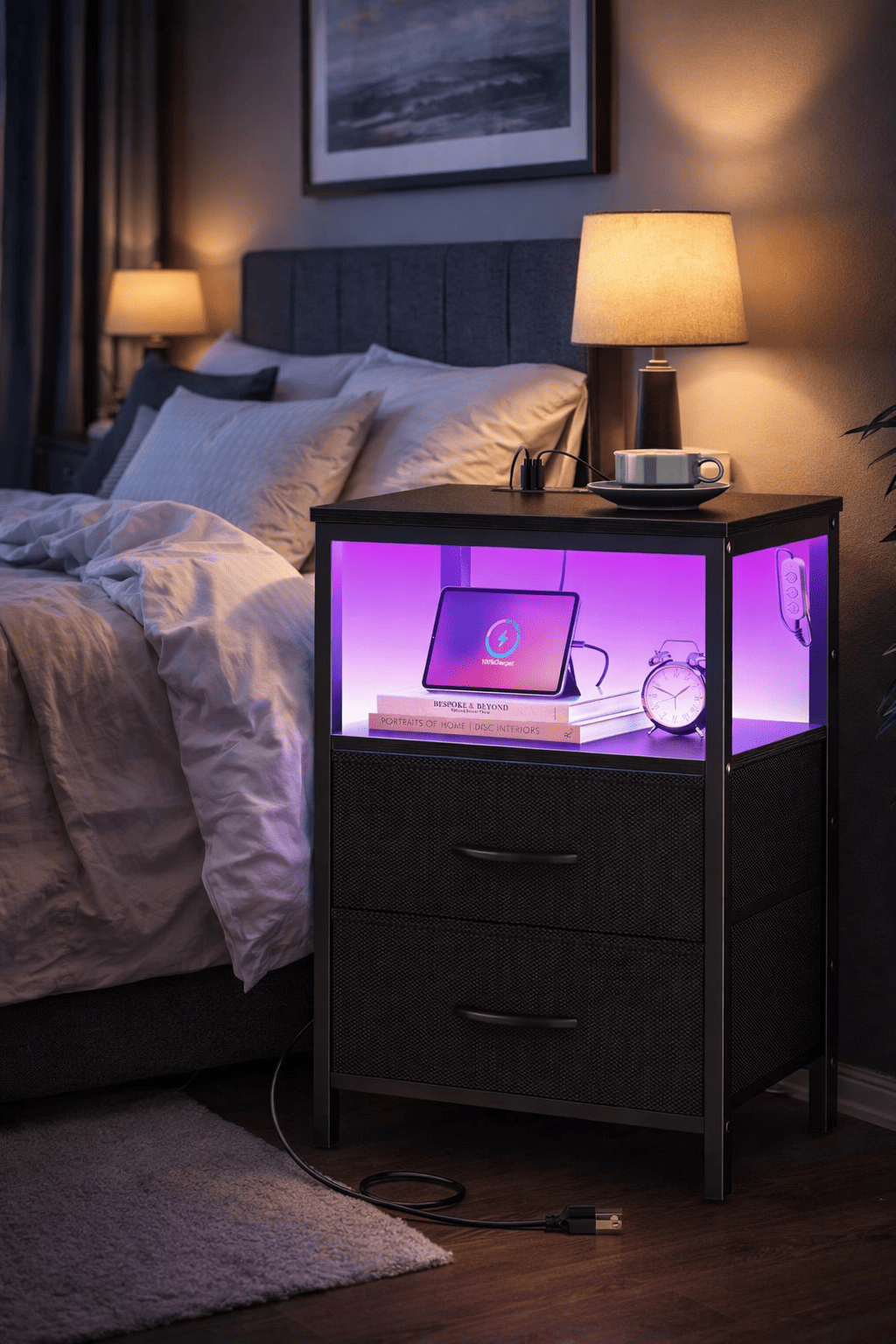

Huuger Charger Station Review: Smart Organization for Nightstands & Dressers
Introduction
Have you ever counted how many charging cables tangle across your nightstand each evening? The average household now manages seven to ten connected devices simultaneously, creating a web of cords that clutters bedside tables and transforms peaceful sleeping spaces into chaotic tech hubs. The Huuger Charger Station addresses this modern dilemma by combining multi-device charging capability with thoughtful organization features designed specifically for nightstands and dressers. If you’re tired of fumbling through cable chaos before bed, losing your phone charger in the dark, or watching your essentials slide off overcrowded surfaces, this nightstand organizer promises to restore order to your personal space. This review explores whether the Huuger Charger Station truly delivers the streamlined charging experience that busy households desperately need.
Product Overview
The Huuger Charger Station is a multi-functional desktop charging station and nightstand organizer engineered to consolidate device charging while reducing surface clutter. This compact accessory combines a built-in power hub with dedicated compartments for phones, watches, tablets, and everyday carry items like wallets, keys, and glasses. The station features multiple USB ports alongside traditional AC outlets, allowing simultaneous charging of various devices from a single power source. Constructed from durable materials with a footprint designed for standard nightstand dimensions, the unit replaces the scattered mess of individual chargers with a centralized organizational system. The integrated cable management channels keep cords tidy and accessible while preventing the tangled knots that typically accumulate behind bedroom furniture.
Key Features & Capabilities
The charging port configuration offers genuine versatility for multi-device households. Most models include three to four USB-A ports, one to two USB-C ports with fast charging capability, and at least one standard AC outlet. This variety accommodates everything from older devices requiring USB-A connections to newer smartphones and tablets demanding USB-C power delivery. For families juggling different device generations, this eliminates the frustration of incompatible charging solutions.
The cable management system represents perhaps the most underrated feature. Dedicated channels and clips guide cords from their storage compartments to the power source without creating visible tangles. This design choice means you can grab your phone in the morning without yanking three other cables off the nightstand—a small daily convenience that compounds into significant frustration reduction over time.
Compact footprint engineering ensures the station fits comfortably on standard nightstands without dominating precious surface area. Typical dimensions measure around ten to twelve inches wide and six to eight inches deep, leaving room for a lamp, book, or water glass. The vertical design philosophy maximizes storage capacity while minimizing horizontal space consumption—crucial for small bedrooms or apartment living.
Material quality and durability exceed expectations for the price point. The construction typically employs high-grade ABS plastic with wood-grain finishes or solid wood options depending on the model. These materials resist daily wear from constant device placement and removal while maintaining aesthetic appeal that complements bedroom furniture rather than looking like obvious tech accessories.
Built-in device slots provide dedicated spaces for phones, tablets, and smartwatches. Adjustable dividers accommodate various device sizes without forcing awkward positioning. The angled slots keep screens visible for checking notifications or using devices as alarm clocks without picking them up—particularly useful for early morning alarm dismissals.
Setup, Installation, or Ease of Use
Getting the Huuger Charger Station operational requires virtually no technical skill or preparation. The unit arrives fully assembled and ready for immediate use—simply place it on your desired surface and plug the main power cord into a wall outlet. The entire setup process typically takes under sixty seconds.
Placement considerations focus primarily on proximity to existing wall outlets and personal accessibility. Position the station within comfortable arm’s reach from your sleeping or sitting position, ensuring you can easily dock and retrieve devices without stretching awkwardly. Avoid placement too close to bed edges where accidental nighttime movements might knock devices to the floor.
Unboxing and Initial Setup
Remove the charger station from its packaging and inspect all compartments and ports. Locate the main power cable—usually stored within the unit or attached to the back panel. Identify the optimal spot on your nightstand or dresser that provides easy access while maintaining stability. Plug the power cord into a nearby wall outlet and verify that any indicator lights activate, confirming proper power connection.
Organizing Devices and Cables
Thread your device charging cables through the designated cable management channels. Start with the cables you use most frequently, routing them to the most accessible compartments. The channels typically feature entry and exit points that keep cords organized without requiring complex weaving patterns. Insert cable ends into the appropriate USB ports or wrap excess length in the storage compartments to maintain a clean appearance.
Selecting the Best Charging Spots
Assign each device a specific slot based on size and usage frequency. Place your primary smartphone in the most accessible position for bedtime and morning routines. Position tablets or e-readers in wider slots, and reserve smaller compartments for smartwatches or wireless earbuds. The goal is creating muscle memory—you should be able to dock devices in darkness without fumbling.
Performance & Practical Results
Real-world testing on various nightstands and dressers reveals consistent organizational benefits within the first week of use. Users universally report reduced morning search time for devices and accessories. The designated compartment system eliminates that frustrating pre-work scramble hunting for car keys or wallets that somehow migrated across the bedroom overnight.
Charging performance meets expectations for standard household devices. Smartphones typically achieve full charges in two to three hours depending on battery capacity and charging protocol. The fast-charging USB-C ports deliver appropriate power levels for compatible devices, while standard USB-A ports handle older electronics without issue. The simultaneous charging capability means waking up to fully powered devices becomes the reliable norm rather than discovering dead batteries.
The cable management system proves particularly effective at maintaining visual cleanliness. Instead of cables snaking across nightstand surfaces or disappearing behind furniture, everything routes neatly through designated channels. This organization extends to practical benefits—no more unplugging the wrong charger in dim lighting or dealing with connectors that fell behind the bed.
Long-term durability holds up well under daily use. The compartment dividers maintain their shape despite repeated device insertion and removal. USB ports retain firm connections without developing the loose, unreliable feel that plagues cheaper charging accessories after months of use. The finish resists scratches from metal-backed phones and watches better than expected.
Pros and Cons
Advantages:
- Centralizes multiple device charging into one organized station
- Cable management system eliminates visible cord clutter
- Compact design fits standard nightstands without overwhelming space
- Multiple port types accommodate various device generations
- Dedicated compartments for accessories like watches, wallets, and keys
- Reduces morning routine chaos by providing designated spots
- Aesthetic design complements bedroom furniture
- Eliminates need for multiple wall adapters and outlet splitters
Disadvantages:
- Limited to devices that fit within the compartment dimensions
- Requires proximity to wall outlet for main power connection
- Some models lack wireless charging pads for compatible devices
- Cable routing may require initial trial and error for optimal setup
- Not ideal for households with exceptionally large tablets or unusual device sizes
- Plastic models may not match premium bedroom furniture aesthetics
Who This Product Is Best For
Multi-device owners juggling smartphones, tablets, smartwatches, and wireless earbuds gain immediate organizational benefits. If you currently charge three or more devices nightly, the Huuger Charger Station eliminates the outlet competition and cable confusion that comes with individual chargers.
Small space dwellers—particularly apartment residents or those with compact bedrooms—appreciate the vertical organization approach. When every square inch of nightstand real estate matters, consolidating charging infrastructure into one footprint-efficient unit makes practical sense.
Nightstand organization seekers frustrated by cluttered bedside tables find this product transformative. Those who value clean, minimal bedroom aesthetics but struggle to maintain them amid modern device demands finally get a solution that hides the chaos without sacrificing functionality.
Couples sharing bedroom space benefit from reduced outlet conflicts. Instead of negotiating who gets which side’s single outlet or installing splitters, one centralized station handles both partners’ charging needs from a single power source.
Families with teenagers discover the station helps contain device migration throughout the house. Establishing the charging station as the designated overnight spot for phones and tablets creates healthy boundaries around bedroom device use.
Who Should Avoid This Product
Minimalists who own only one or two devices may find the station unnecessarily complex. A simple single-port charger provides adequate functionality without the organizational features you won’t utilize.
Those with exceptionally large tablets or non-standard device sizes should verify dimensions before purchasing. The compartments accommodate most mainstream smartphones and tablets, but professional-grade tablets or specialty devices might not fit comfortably.
Wireless charging enthusiasts expecting built-in Qi charging pads will find most Huuger models focus on wired connections. If wireless charging represents a non-negotiable feature, verify specific model capabilities before buying.
Renters or frequent movers might prefer more portable charging solutions. While not heavy, the station works best as a semi-permanent fixture rather than something constantly packed and repositioned.
Maintenance, Storage, or Care Tips
Dust accumulation in compartments and charging ports represents the primary maintenance concern. Weekly dusting with a dry microfiber cloth prevents buildup that could interfere with device fit or charging connections. For deeper cleaning, lightly dampen the cloth—never spray liquids directly onto the station.
Inspect USB ports monthly for debris accumulation. Compressed air effectively removes dust and lint that naturally accumulates in frequently used charging ports. This simple maintenance prevents charging issues before they develop.
Cable management requires occasional attention as you add or remove devices from your daily routine. When upgrading phones or changing which devices you charge nightly, take five minutes to re-route cables optimally through the channels rather than forcing new configurations into outdated setups.
Protect wood-finish models from water damage by keeping beverages at safe distances. Water rings and spills damage aesthetic appeal and potentially compromise electronic components if liquid reaches charging circuitry.
Periodically verify that all compartment dividers remain secure. Some models use removable dividers that can shift with repeated device changes. Resetting these to optimal positions maintains organizational efficiency.
Common Mistakes to Avoid
Overloading compartments with devices too large for designated slots stresses the structure and defeats the organizational purpose. If a device doesn’t fit comfortably, find alternative storage rather than forcing it into undersized spaces.
Ignoring cable length requirements leads to frustration. Using cables too short to route through management channels or so long they create tangled messes undermines the station’s organizational benefits. Match cable lengths to your specific routing needs.
Placing the station too far from your bed diminishes convenience. If you must get up to dock or retrieve devices, you’ll likely abandon the system during tired evening routines. Optimal placement keeps everything within comfortable arm’s reach.
Failing to establish a consistent docking routine reduces effectiveness. The station works best when everyone in the household knows exactly where each device belongs and follows the same placement pattern nightly.
Using fast-charging ports for devices that don’t support fast charging wastes premium ports. Reserve USB-C fast charging for compatible smartphones and tablets, while using standard USB-A ports for accessories with slower charging needs.
Value for Money
Within the nightstand organizer and charging station category, the Huuger positions itself as an affordable solution that delivers practical benefits without premium pricing. The combination of charging infrastructure and organization features provides more value than purchasing these components separately.
Compared to buying individual charging blocks, cable organizers, and nightstand trays, the integrated approach often costs less while providing superior functionality. You’ll eliminate the need for outlet splitters and reduce cable replacement frequency since organized cables suffer less wear than tangled ones.
The durability factor extends the value proposition beyond initial purchase price. Quality construction means the station should serve reliably for years, spreading the cost across thousands of charging cycles and daily uses.
Hidden savings emerge from reduced device damage. Phones and tablets stored in dedicated compartments suffer fewer drops and screen cracks than devices balanced precariously on crowded surfaces or tangled in cables.
Conclusion
The Huuger Charger Station successfully transforms chaotic nightstand charging into an organized, reliable system that simplifies daily routines. Its thoughtful combination of multiple charging ports, effective cable management, and dedicated device compartments addresses real frustrations that multi-device households face every day. While not perfect for every situation, the station delivers genuine value for those seeking to reclaim bedroom surfaces from cable clutter while ensuring devices stay charged and accessible. If you’re ready to end the nightly cable hunt and morning device scramble, checking out the Huuger Charger Station on Amazon could be your first step toward a more organized bedroom.
FAQs
How many devices can I actually charge at once?
Most Huuger Charger Station models accommodate four to six devices simultaneously through various USB ports and AC outlets. The exact number depends on your specific model configuration and device power requirements.
Will this work with iPhone and Android devices together?
Yes, the multiple port types support both ecosystems. USB-C ports handle newer Android phones and recent iPhones, while USB-A ports accommodate older devices and accessories from both platforms.
Do I need to buy special cables?
No, the station works with your existing device charging cables. You simply route your current cables through the management system rather than replacing them with proprietary options.
Can I use this on a desk instead of a nightstand?
Absolutely. The organizational benefits translate perfectly to desktop environments, office spaces, or any location where you need centralized device charging and storage.
How do I clean dust out of the compartments?
Use a dry microfiber cloth for regular dusting and compressed air for deeper cleaning of ports and tight spaces. Avoid liquid cleaners unless applying them to the cloth first, never directly on the station.
Will thick phone cases fit in the slots?
Most standard protective cases fit comfortably in the device slots. Extremely bulky cases—particularly those with built-in batteries or rugged outdoor protection—may require case removal before docking.